Depression and Anxiety in Later Life

file0tt4iKI’m Dan Lukasik from Lawyerswithdepression.com. Today’s guest is Dr. Charles F. Reynolds, III, co-author of the book, “Depression and Anxiety in Later Life: What Everyone Needs to Know.” He is a professor in Geriatric Psychiatry at the University at Pittsburgh School of Medicine and Director of its Aging Institute and Center of Excellence in the Prevention and Treatment of Late Life Mood Disorders. Dr. Reynolds is internationally renowned in the field of geriatric psychiatry. His primary interests focus on mood, grief, and sleep disorders in later life.  Thanks for being here with us Dr. Reynolds.

I think the first place to begin for our audience and listeners is to have an understanding of what clinical depression is.

Dr. Reynolds:

The term clinical depression really refers to a syndrome or collection of symptoms which are debilitating and cause suffering and distress. At the core of the notion of clinical depression are two symptoms. The first is a lack of pleasure or interest in usual activities. The clinical term for that being anhedonia and the other core aspect of depression is a persistent lowering of mood – a sense of sadness and pessimism or even of hopelessness. These symptoms occur most days for at least two weeks and typically for a longer period of time and then as the full syndrome of depression develops, Dan, you also see other changes, for example, in sleep, concentration, or appetite, or energy levels and of great importance is the emergence, in many people, of suicidal feelings as part of the clinical syndrome of major depression.

Dan:  

Part of the title of your book is anxiety – what is clinical anxiety?

Dr. Reynolds:

Well, like depression, clinical anxiety refers to a syndrome or collection of symptoms that are both distressing and impairing in day-to-day function. The principle types of anxiety are first, excessive worrying such as we see in generalized anxiety disorder or panic attacks such as we can see in panic disorder with or without agoraphobia. Like depression, anxiety disorders can be quite debilitating and distressing. It is also important to understand that anxiety and depression can co-occur in the same patient and often represent risk factors for each other.

Dan:

In the book title you say depression and anxiety in later life.  When you talk about “later life,” what does that mean?

Dr. Reynolds:

Later life generally refers to folks sixty and older. That varies somewhat according to the study that you’re reading, but most of us accept age sixty or sixty-five as a threshold for beginning the later years of life. That being said, Dan, it’s important to understand that the later years of life can and often do cover several decades. And so we often speak of “young old,” say sixty-five to seventy to eighty, and “old-old” as covering the years beyond seventy-five or eighty. That distinction, young-old and old-old is important for clinical practice because the various benefits and risk of the treatments that we have may shift gradually with the age of the patient.

Dan:

When we think of depression in our society, how common is depression statistically and is there any difference in the older population?

Dr. Reynolds:

If you look, Dan, at primary care medicine clinics where most people get treatment for depression, older adults, if they get treatment at all, at any one point in time six to ten percent of the patients attending primary care clinics will have major syndromal depression and then another ten percent or so will have a clinically significant level of depressive symptoms. So this is by no means a rare disorder.  The other important thing to remember, and this is to your point about depression’s occurrence in older adults, it frequently coexists with medical issues and often with cognitive issues as well. The depression typically doesn’t exist in pure culture, but rather is an “unwanted co-traveler” of many of the common medical problems that afflict older adults and thereby amplifies the disability and distress of those disorders.

Dan:

What causes depression, Dr. Reynolds?  When we think of depression – and we’ve come a long way in understanding some of the causes – many people don’t know the difference between sadness or “the blues” and clinical depression. What are we talking about? What are the causes?

Dr. Reynolds:

The causes are many, Dan, and I think it’s very helpful to think in terms of there being many pathways to depression in older adults. In some cases, it’s possible that there is a genetic cause because depression can run in families.  Although in late life, depression, we think that genetic factors are maybe less important than they are in younger adults or kids who develop depression. Depression also occurs in the context of the life events that can occur in later life such as bereavement or other major transitions in social role functions. It’s also not unusual to see depression in the wake of certain medical events like a heart attack, or a stroke, or depression to develop in the context of things like age-dependent macular degeneration which results in a decreased ability for a person to see. These are important contextual factors and a good treatment plan will take these contextual social and medical factors into account.

Dan:

When we think of depression, once it’s been diagnosed, what can older adults do to manage depression?

Dr. Reynolds:

I think there are many things that older adults can do, Dan, but also they can be helped by family members and caregivers as well. This is a key point. I almost always will try to see family members and caregivers as well as the adult with depression themselves. Adopting a healthy lifestyle is very important set of strategies, Dan, both for preventing and treating depression and among these healthy lifestyles are physical activity, maintaining good social connections, and social support, and getting primary medical problems attended to such as blood pressure, blood fat, and blood sugar levels and having your immunizations and cancer screenings done on time.  Behaviorally, it’s very important for people to engage in the activities that give them pleasure. Behavioral activation, as we call it, is at the core of many psychosocial treatments for depression including problem-solving therapy, cognitive and behavioral therapy. Medications are also very helpful. There are antidepressant medications now available which are safe and generally well tolerated by older adults. I would say that upwards of eighty percent or eighty-plus percent of older adults with depression can be successfully treated to good response if not remission particularly using a combination of counseling and medication and then we have other treatments for other people whose depressions are difficult or resistant to treatment.

Dan:

Let’s turn our attention now to the topic of anxiety and that’s certainly an important topic you address in your book where you talk about anxiety in later life. For our audience, what is anxiety? We talk about it. A lot of people talk about being “stressed out”. We’re a stressed-out culture. But what is the difference between stress, being stressed-out, and true clinical anxiety?

Dr. Reynolds:

That’s good, Dan. You’ve made an important distinction there. All of us can experience stress, for example, in relation to life events which feel threatening to us or which seem to turn our worlds upside down, but there is a difference with anxiety disorders.  Anxiety disorders are constituted by specific symptoms that often last for months and months and months and can be disabling and distressing.  Principal among these things are obsessive worry or panic attacks which seem to come out of nowhere. These constituent actual distinct mental disorders and there are useful treatments for them. We rely heavily, for example, on teaching people relaxation techniques as well as better problem solving skills. There’s a good deal of literature also to support the use of medications called Selective Serotonin Reuptake Inhibitors. These are medications that have shown to be effective in the treatment of anxiety disorders in older adults. The reasons you want to treat these disorders is that the symptoms are burdensome, they cause distress and impairment, they undermine the quality of life, and also increase the risk for depression.

Dan:

When we talk about clinical depression and clinical anxiety, and you’ve just done a wonderful job of distinguishing them from everyday sadness and everyday stress, do they ever happen together?  Can we have a person who has both clinical depression and anxiety?

Dr. Reynolds:

We see that, Dan, in really about a third of our patients. So at any one point in time, probably a third of our patients with major depression, also can be diagnosed with one or another anxiety disorders. So they do co-occur and they need to be treated. Sometimes it can be challenging to treat that combination, but we learned how to do that. The other thing to remember though is that people living with anxiety disorders are at risk for the subsequent onset of depression.  So it’s important for that reason to address anxiety disorders. The other part of this constellation that I like to pay a lot of attention to is sleep disturbance. Sleep disturbances themselves represent a risk factor themselves for the onset of common mental disorders. Sleep disturbances are also a symptom of common mental disorders and when I’m treating depression or anxiety and my patient continues to have sleep disturbance, then I focus additional effort on helping them to get a better night’s sleep because if their sleep disturbance isn’t addressed independently, then it constitutes a risk factor for an early relapse or recurrence of depression or anxiety.

Dan:   

Can you tell us a little more about your work at the Aging Institute at the University at Pittsburgh Medical College and the Center and Treatment of Late Life Mood Disorders?

Dr. Reynolds:  

For the last five years I’ve served as Director of the Aging Institute at the University at Pittsburgh Medical Center.  The Aging Institute was created by the UPMC Health System and its health plan and also by the six schools of the Health Sciences at the University at Pittsburgh and by the Provost at the University at Pittsburgh.  Basically, Dan, we do three things.  We geriatricize the work force.  That is to say we teach the skills of caring for older adults to clinicians across all parts of medicine: doctors, nurses, pharmacists, social workers, etcetera.  The second thing that the Aging Institute does is to develop new models of care to improve the long-term delivery of care to older adults and their family members. And finally, the third thing we do is to sponsor research. We are very interested in innovative pilot research that can lead subsequent National Institute of Health and other federal support. The other thing I do at Pitt is to direct the Center for Depression Prevention and Treatment Research. This is a Center of Excellence, one of only two or three in the United States funded by the National Institute of Mental Health. We have been working now since 1995 and are in our twenty-first year. We do a great deal of intervention research. We also train the next generation of younger scientists, both physicians and Ph.D.’s, to do intervention research in older adults at risk for living with mood disorders like major depression or bipolar disorder.

Dan:

One of the things you mention in your book, and by the way, it’s a remarkable, insightful read, “Depression and Anxiety in Later Life,” one of things you mention in your book, you talk about the importance for older people to find and maintain a sense of purpose.  Why is that so important and how do older people go about finding a sense of purpose if it’s lacking?

Dr. Reynolds:

Yea, it’s a really key point, Dan, and I think that all of us need to have a sense of purpose; a sense that our lives matter to other people to help us get up in the morning.  Feeling a sense of connection, feeling a sense of belonging is very strong medicine to preserving a sense of wellbeing throughout all of the years of life. There’s also a substantial body now of research, of epidemiological research, that shows that being a member of a community of faith may both help buffer depression and but also help to recover from depression and keep it at bay. So I think that’s one key strategy to create a sense of belonging and purpose. Those are two key words that I like to use – belonging and purpose.

Dan:

And in closing Dr. Reynolds, for those in our audience that are interested in this, interested in being evaluated and treated at your center, how do they go about doing that?

Dr. Reynolds:

You can give us a call in Pittsburgh.  We are happy to take calls. We’re also happy to help callers find local resources from wherever they may be calling because we’re part of a network of colleagues around the country. One good way to seek help though is to call the help desk at the University at Pittsburgh Medical Center because we’re able to connect callers with all kinds of resources they may need. We typically get over 600 calls per year now, both from family caregivers and health care professionals.  I recommend that people visit our website or call us at 866-430-8742.

Dan:

Dr. Reynolds, thank you so much for taking the time to talk with us today. It’s been very informative, insightful and encouraging. I’m Dan Lukasik with Lawyerswithdepression.com.  Join us next week for another interesting interview.


Depression Lowers Chances of Pregnancy

Women with symptoms of severe depression have a decreased chance of becoming pregnant, according to a new study that found a 38 percent decrease in the average probability of conception in a given menstrual cycle among women who reported severe depressive symptoms, compared to those with no or low symptoms. Read the News


When Working Out Doesn’t Always, Well, Work Out

I had a tough spell of moderate depression that started two weeks ago and just ended recently.

I had little energy. I was glued to my seat.  Before this, I had been exercising religiously three times per week.  I noticed that exercise had a wonderful cumulative effect on my mood that carried over from day-to-day as long as I kept at it.  I actually looked forward to going to the gym.

But then, something happened.  I got a horrible head cold. I couldn’t work out.  As I laid on the couch, I felt myself sinking.  I was cranky. More followed.

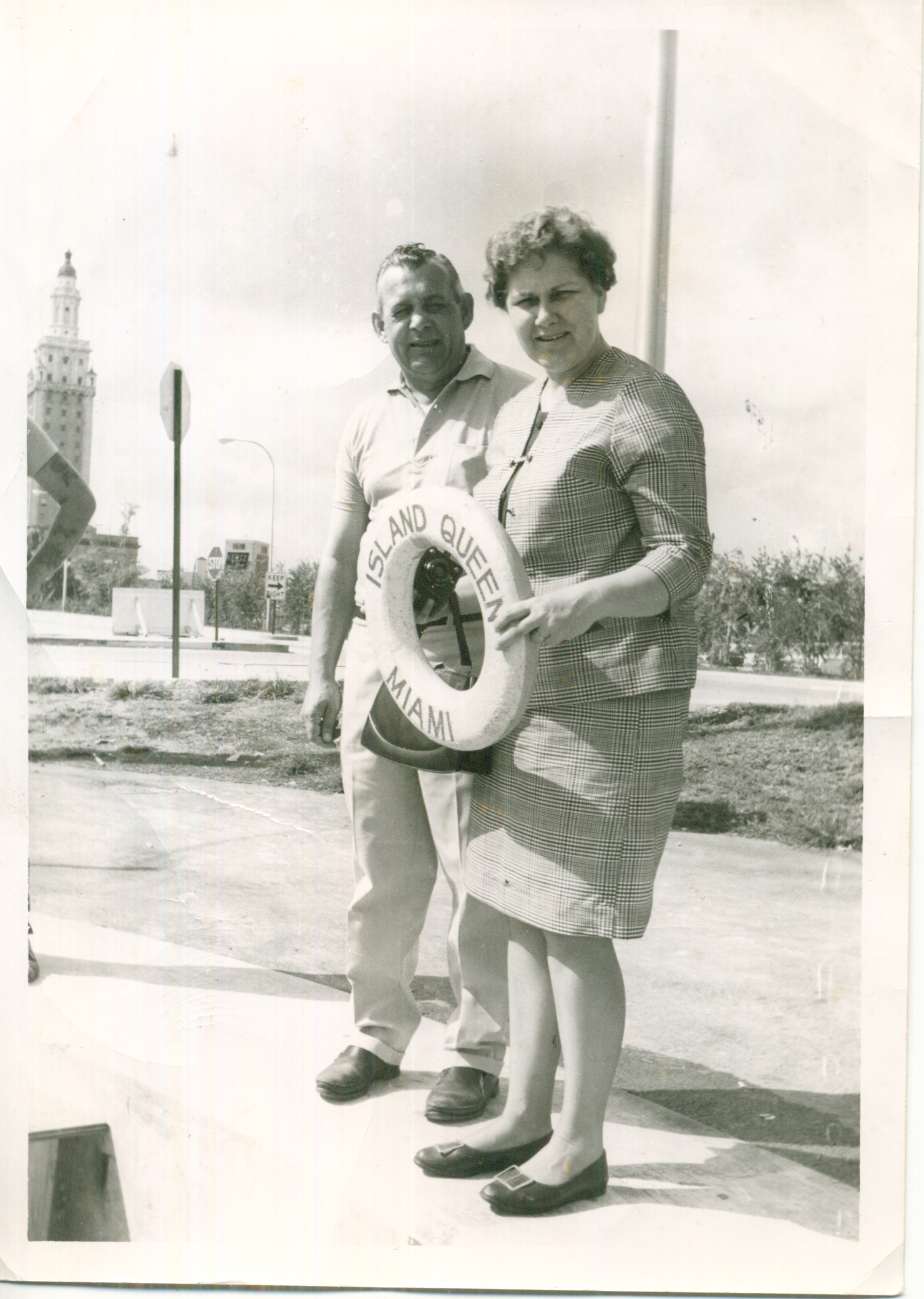
image0I got a call a few weeks ago from folks that wanted to write an article about my parents and I.  They had found me by reading a blog I had written, Our Parents, Our Depression.”  They interviewed me then asked if I would rummage through some old pictures of my parents.  I dug around in some boxes. I found an old black and white of my parents. Probably when they were in their early fifties.  It brought me down.  They had depression also. Though I didn’t know that as a child. And they probably didn’t think of it that way.  But they clearly had all the symptoms.

This whole thing brought up a lot of sadness. Some of it because of the unhappy lives they led – much of it punctured by episodes of depression, drinking, and violence.  I feel connected to them still years after their deaths. I thought about how powerful the link, genetic, emotional and psychological, is between where we come from and where we find ourselves now.  Given this history, I sometimes feel like my depression is insurmountable.  Why even try? I think. It’s just going to come back away.

So, back to working out.  I just couldn’t get going.  Just thinking of the 10-minute drive from Starbucks made me weary. I drank more coffee to get a boost, but it had no effect.

IMG_6681 (1)

I started feeling a bit better yesterday. I still didn’t want to go to the gym but had enough energy to push through my resistance.  I got to the gym parking lot. My legs felt heavy as walked to my workout.  I got through 20 minutes on the elliptical and pumped weights.  I felt great the rest of the day and today the depression is gone.  I feel back to my old self.  While exercise and movement aren’t a panacea, it is one powerful tool to coping with this onerous illness.

This experience taught me something: exercise isn’t just something that healthy for someone like me who has depression.  It’s essential.  It has powerful effects on the brain that are difficult to achieve with therapy and/or medication. In fact, for mild to moderate levels of depression, studies show that exercise is just as effective as the meds.  As it turns out, exercise actually boosts the positive effects of antidepressants.

So build up a regular workout regimen.  There will be times that you’ll fall off the wagon. You’ll find that working out just doesn’t isn’t working out when you’re blue.

But get back on the wagon. And get your heart and spirit pumping again.

Check out the excellent book, Spark: The Revolutionary New Science of Exercise and the Brain for a wonderful explanation of what goes on in the brain during a depression and how exercise counteracts it.

Copyright, 2016 by Daniel T. Lukasik

Depression Screening for All?

From National Public Radio‘s program, “On Point with Tom Ashbrook,” a great conversation with experts about a new national task force’s recommendation that says everyone should be screened for depression.  Listen to the Podcast

What I’ve Learned About Depression: A Lawyer’s Journey

About a year ago Dan invited me to submit a guest article for his website. I felt honored and immediately accepted. The invitation coincided with the twentieth anniversary of my depression diagnosis, and I’d been reflecting on my experience with depression over the past two decades. It seemed like the ideal opportunity for me to offer others the benefit of my hard-earned wisdom and experience.

But that didn’t happen, at least not the way I originally intended. When I sat down to write, the words didn’t flow. As a former teacher who’s taught communication courses at three major universities, and as a practicing attorney who prides himself on his ability to write quickly and well, this experience was unusual and disconcerting. When my students would tell me they were having trouble writing a paper or preparing a speech, I told them it was most likely because they didn’t understand the subject matter well enough. I came to realize that was a big part of my difficulty too. That and being guilty of not practicing what I wanted to preach.

franklin-bash-for-those-about-to-rock-season-2-episode-4-550x366

I remember clearly the day I first went to see a psychiatrist. For several months I’d felt overwhelmed at work. As an associate in a successful litigation-oriented law firm, I considered myself fortunate to have the opportunity to work on a number of complex, high-exposure cases. I appreciated the confidence the partners had in my ability, and I wanted to prove I was worthy of their trust. I also wanted to demonstrate to my clients that I was more than capable of assuming primary responsibility for their cases and obtaining the best possible results for them.

At the same time, my marriage was deteriorating. My spouse and I met and married in graduate school. When I grew dissatisfied with my work in academia, she suggested law school. I’m from a family of lawyers, and we both saw this as a good career option for me and a positive move for our relationship. But while the law school years were mostly happy ones, things changed when

I entered private practice. The hours were long and my schedule was less predictable that what we’d become accustomed to. We spent less time together and our relationship became even more strained. Work and home life grew increasingly stressful, and I reached the point where I knew self-help was not enough. That’s when I called a psychiatrist I’d worked with on a few cases and had gotten to know fairly well.

antidepressants_1673710c

Looking back, my story must have sounded familiar and rather mundane to the psychiatrist – an ambitious young lawyer working hard to establish himself and provide for his family who felt he could handle an ever-increasing level of stress, until he couldn’t. We talked for about twenty minutes that day before he walked over to a cabinet in his office, opened the door and tossed me a sample box of medication. He told me I was suffering from depression, and that I should take the antidepressant he gave me and come back in a week.

I felt oddly elated when I left the psychiatrist’s office. I had not only a clear diagnosis but a simple way to treat my depression – take a pill! I took my first dose that day after lunch. At the time I thought the medication would solve most, if not all, of my problems. It did help, but not as much as I’d hoped. And there were side effects. I tried other antidepressants and found optimizing the benefit-to-side-effects ratio was tricky. Starting, stopping and changing medications was frustrating for me and for my spouse, who was not depressed and didn’t seem to understand or sympathize with my struggle.

During this time I read a lot about depression, and fortunately one of the books I found early on was Dr. Richard O’Connor’s Undoing Depression. To me, it is still the best single book written about depression for a lay audience. Dr. O’Connor’s academic training, his years of working with clients and his own personal experience with depression have given him a depth of knowledge and understanding that rings true to those of us who seek to identify and replace our “skills of depression” with healthier and more adaptive alternatives. It’s the first book on depression I recommend to friends and colleagues, and it’s one I find myself returning to from time to time for inspiration and guidance.

black dog

I would like to tell you that as the result of therapy, medication and self-help I beat depression and have lived happily ever after. But anyone who’s struggled with the “Black Dog” knows that’s not how things usually go with depression. As Dr. O’Connor noted in a recent article for this website, “[t]he ugly fact is that depression is very likely to reoccur. If you had one episode of major depression, chances are 50:50 that you’ll have another; if you have three episodes, it’s 10:1 you’ll have more.”

No one suffering from depression wants to hear those statistics. We all want an easy solution, whether it comes in the form of a pill, or a few sessions with a therapist, or just enduring the depression until it simply goes away on its own. And for some that approach works. I know one professional colleague who years ago had a single episode of major depression precipitated by marital discord and divorce. He sought professional help and took medication for a period of time until he regained his emotional equilibrium. To the best of my knowledge, he has remained depression-free ever since. But in my experience, and in the experience of many people I’ve spoken with over the years, my colleague is unfortunately atypical.

We’ve known for a long time that lawyers suffer from depression at a far greater rate than the population as a whole. A recent CNN article reiterated the now-familiar finding that lawyers are 3.6 times more likely to suffer from depression than non-lawyers. The same article reported data from the Centers for Disease Control and Prevention indicating that lawyers have the fourth highest rate of suicide among professions, trailing only dentists, pharmacists and physicians.

In an adversarial profession where there are “character and fitness” requirements for licensing and acknowledging depression may be seen as a career-threatening sign of weakness, barriers to treatment and recovery can seem insurmountable.

While the reasons lawyers are particularly vulnerable to depression are varied and not fully understood, it is clear that from a mental health perspective law is a high-risk profession. It is also becoming clearer that the risk of becoming clinically depressed increases the day a student starts law school. A study by Dr. Andy Benjamin of the University of Washington estimated that thirty two percent of law students suffered from depression during their first year in school. That figure rose to forty percent by the time the students graduated. For this reason early education for law students about this “peril of the path” is essential. In his post titled “In the Beginning: Depression in Law School,” Dan shares this excerpt from correspondence he received from Dr. Benjamin:

“Since the publication of our research about law student and lawyer depression, depression still runs rife for law students and practicing attorneys – nearly a third of all law students and lawyers suffer from depression. The data to support this statement have been published since the early eighties when the studies were first conducted. Several subsequent empirical studies have corroborated the grim findings up until 2010. As the stress, competition, and adversarial nature of the profession have continued to take their toll, not surprisingly, the rates of depression have not changed. Law students and lawyers remain at the greatest risk for succumbing to depression, more so for any other profession. After nearly forty years of compelling evidence about the prevalence of the severity of depression for the legal profession of law, more meaningful systematic changes must be implemented throughout the professional acculturation process of law students and lawyers.”

Few of us, if any, who practice law and who’ve been directly or indirectly affected by depression would take issue with Dr. Benjamin’s conclusion. We’ve made progress in terms of improved awareness, education and professional attitudes toward depression, thanks in large part to lawyers like Dan Lukasik and clinicians like Richard O’Connor who’ve had the courage to share their own experiences with depression. But the legal community has a long way to go, and for the most part depressed lawyers must fend for themselves with little or no support from their professional peers.

So, returning to my theme, what have I learned in the past twenty plus years about living and practicing law with depression? Many things, but perhaps the most important is that depression is persistent and change is hard. As Dr. O’Connor has explained so well, we get good at “doing depression” and our patterns of depressive behavior tend to be self-perpetuating. “Depression is highly treatable,” he wrote in a recent guest blog, “but if you want a lasting recovery you have to change your life.” And how do we effect meaningful, lasting change in our lives? According to Dr. James Hollis – author, therapist and student of Carl Jung – we need to cultivate the skills of insight, courage and endurance.

“To develop insight we must begin to see the causes of our depression and the ways in which we perpetuate it through our patterns of thinking, behaving and relating to others. Therapy, self-help literature and self-reflection may all play a role in this process. And while insight is essential to effecting positive change, it is not sufficient. We must act on our insight, and to do that we need both the courage to step out of our comfortable but dysfunctional patterns and the endurance to stay our course once we find it.”

One of the most valuable insights one can have about depression is that insight isn’t enough. I used to think it was. When I was diagnosed with depression and began to learn about it, I tacitly assumed that as I gained insight into my condition my life would quickly and magically change for the better. It didn’t. I’ve learned that many other people have made the same assumption without being aware of it. It would be wonderful if having insight into our depression turned off the symptoms the way flipping a switch turns off an electric light. But experience teaches us that our depression switches will flip back on unless we take appropriate and persistent action.

No sensible person would choose to have depression. I didn’t. But since we are not given any real choice in the matter we must learn to accept and live with it in the best ways we can manage. I like to think I’m a stronger, more resilient, and perhaps even “better” person because of my experiences with depression. It hasn’t always been easy, or fun, but there is satisfaction to be found in accepting the ongoing challenge and continuing to rise to it.

Perhaps Rainer Maria Rilke offered the best and most succinct advice when he wrote:

Let everything happen to you

Beauty and terror


Just keep going


No feeling is final.

By William B. Putman, Esq.

Bill is a 1991 graduate, with honors, from the University of Arkansas School of Law and a partner at Taylor Law Partners in Fayetteville, Arkansas.

How to Handle a Depression Relapse

Depression blogger Therese Borchard writes, “For anyone who has ever been debilitated by severe depression, there is nothing more frightening than the feeling that you’re relapsing into another episode. We chalk up the first few days of angst to a bad stretch and hope it gets better from there. But by the time we’ve hit six weeks of crying spells and the kind of anxiety that steals our appetite, there’s usually some panic that we are headed into the Black Hole of Depression yet again.”  Read the Blog

Ketamine and Depression: Too Much, Too Soon?

Any new drug that might work faster and have fewer side effects is jumped on by researchers and clinicians alike. The latest drug, heralded by some as a new wonder drug for depression, is ketamine.  But should we roll out it out as a fix for depression?  Read the News

Built by Staple Creative