Silent Struggles: Gendered Pressures on Male Lawyers Contribute to Depression

This guest blog is written by Shebna N. Osanmoh, PMHNP-BC, a board-certified psychiatric-mental health nurse practitioner affiliated with Savant Care, Los Altos, CA, a mental health clinic.

The legal profession is known for long hours, adversarial culture, and high stakes. While all lawyers are vulnerable to mental health issues, an often overlooked group may be suffering in silence—mainly male lawyers.

There’s been increasing awareness of mental health in the legal field, but how depression shows up and is managed in men has been underexamined. This silence is driven by gender expectations, social stigma, and professional pressures, and can lead to serious consequences.

The Silent Burden of Stoicism

From their first year in law school, male lawyers are conditioned to demonstrate competence, assertiveness, and composure. They are trained to suppress their emotions in the courtroom, stay calm under pressure, and base their decisions on logic rather than feelings. These traits are valued professionally, but they can be harmful personally.

The cultural script for male lawyers dictates that they must maintain a strong image at all times. Emotional vulnerability? That’s a weakness. Needing support? It’s a sign you can’t handle the heat. This idealized version of the male lawyer —stoic, confident, and endlessly resilient —leaves little room for authentic emotional experience.

Your Brain on Depression: A Fascinating Interview with Neuroscientist, Dr. Alex Korb

Podcast: Play in new window | Download


The following is an edited transcript of the podcast recorded interview with Dr. Alex Korb.  

Hi, I’m Dan Lukasik from lawyerswithdepression.com. Today’s guest is Dr. Alex Korb. Dr. Korb is a neuroscientist, writer, and coach.  He’s studied the brain for over fifteen years, attending Brown University as an undergraduate and earning his Ph.D. in neuroscience from UCLA. He has over a dozen peer-reviewed journal articles on depression and is also the author of the book, The Upward Spiral: Using Neuroscience to Reverse the Course of Depression One Small Change at a Time. Interesting, he’s also coached the UCLA Women’s Ultimate Frisbee team for twelve seasons and is a three-time winner for Ultimate Coach of the Year.  His expertise extends into leadership and motivation, stress and anxietymindfulness, physical fitness, and even standup comedy. Welcome to the show.

Do You Need To Take Medication For Your Depression?

Today’s guest post is by Dr. Eve Wood, a psychiatrist who treats patients struggling with depression, anxiety, burnout or extreme stress.

Do you find yourself wondering if you need to be on medications for depression, or hoping you can stop them? If so, you are not alone!

In 1980, Americans filled 30 million prescriptions for antidepressants, and in 2010, 30 years later, the number of prescriptions for antidepressants filled had risen to 264 million in a year!

What are we to make of this? Twenty eight percent of attorneys nationwide are struggling with depression! Why? And, what is to be done about it? In this short blog, I intend to highlight the relationship between stress, burnout, and “depression”, and the role of diagnosis, medical treatments, and other strategies. I encourage you to think broadly about what you can do to make your life better.

What is Depression?               

To be totally clear: We do not really know what depression is! We have a lot of theories, and can identify biological correlates, with some depressive symptoms. And, we do know that a small percentage of people suffer with an incapacitating illness that won’t quit. However, much of what is being called Depression today, is probably Burnout, or a normal response to abnormal stress!

While I am simplifying the diagnostic process a bit, I think you will appreciate the point. We diagnose Depression by establishing that you have a requisite number and type of symptoms, to meet the diagnostic criteria, as laid out in the DSM (Diagnostic and Statistical Manual). Over the course of the last 35 years, there have been 6 iterations of the DSM. As the book has gotten longer, and the number of diagnoses has progressively increased, the “illness” criteria has gotten too loose to be useful.

Before the printing of DSM III, the incidence of depression was quite low, prevalence rate of 1.2% in 1996. After the DSM III was released in 1980, a NIMH study found the prevalence of Depression had risen to 5%. After DSM III-R the prevalence rate had risen to 10 % of the adult population in the United States. And, the rate continues to rise.

In my 35 years in medicine, I have not seen the numbers of people with serious depression, true debilitating symptoms that no one could deny were life-threatening, change much. I have, however, seen a significant escalation in the numbers of people told they “have depression” and consequently get treated with medications.

Today, when you might be dealing burnout, exhaustion, disillusionment, or extreme worry, you are given a clinical diagnosis or two, and prescriptions. This strategy stops you from looking at the precipitants to your distress, and proactively identifying solutions. It also exposes you to “side-effects” or unnecessary risks.

But, Isn’t my Depression due to a Chemical Imbalance in my Brain?

Chances are pretty good you’ve been told that your depression is due to a chemical imbalance in your brain, and medications correct that abnormality. The problem is, all attempts to prove that theory have totally failed.

The fallacy is reinforced by the names given to psychiatric medications. For instance, the term SSRI (selective serotonin reuptake inhibitor) was chosen to imply that the medication inhibits the uptake of a neurotransmitter and thus creates benefit. It originated when the pharmaceutical company SmithKline Beecham, was trying to distinguish its medication Paxil, from its competitor Prozac.

“SSRI” came out of their marketing department and was used to market a new “class” of drug, even though all antidepressants (new and old) have some impact on serotonin. And, we have no idea how significant that impact is! The term SSRI gives rise to cool pictures of neurons and chemicals which can be used to sell drugs.

Do Antidepressants Work?

Clinical trials of antidepressants show that only 1/3 of patients get better in 8 weeks. The other 2/3 respond in part or not at all! And, within 3 years, 75% of the responders have quit treatment, likely due to side effects, cost or diminishing efficacy.

In many studies of antidepressant effectiveness, drugs perform no better than placebo. And, several studies have found that the biggest predictor of response is you believe meds will help, and vice versa!

So, do pills work? At times, yes, and they even save lives. But, they don’t help most people consistently. And, other interventions might be just as good, or better tolerated. Examples with clear anti-depressant efficacy include improved work-life balance, therapy, specific breathing practices, yoga, mindfulness, light exposure, meditation, nutritional interventions, cognitive restructuring techniques, spiritual practice, time in nature and exercise.

What Should You About Medication?

You are probably wondering whether you should be on medicine. The answer is unique to you and your history. That said, here is what I have seen in 35 years of work with attorneys. Many of you are experiencing normal responses to extreme stress. While you have tremendous power to self-heal, rebound, and thrive when episodically stressed, you become depleted, and burned out when the pressures on you are continuous.

The symptoms of burnout; emotional exhaustion, interpersonal disengagement, and a low sense of meaningfulness and accomplishment are very similar to those of depression. And, interventions for burnout, often transform depression symptoms. Most of my clients stop, or massively reduce their medication need, as they tackle burnout, build resilience, decrease stress, and improve their lives.

In choosing your next steps, consider when you last felt well, and your attendant life circumstances. What was working, or gave you joy? Have medicines saved your life, or are you taking pills because you can’t seem to make your life work? Do you need training on techniques and tools to promote well-being, and minimize your need for medications?

If your life is not as you wish, you can change it! You are a gifted, capable person, as evidenced by how far you have come. You can learn evidence-based solutions, to transform what doesn’t work!

Dr. Eve A. Wood helps lawyers and judges dealing with depression, anxiety, burnout and extreme stress learn to transform their lives for well-being, joy and professional fulfillment. She offers practical, science-based programs and coaching that promote whole person healing, decrease stress and depletion, transform anxiety/depression and reduce reliance on medication.




Up, Up and Away: Lifting Depression By Tweaking Your Antidepressants

In my last post, I wrote about a recent downward turn in my mood. While not severe, it still sucked: low energy and motivation,  sadder more often than I’d like, and lack of joy in things that formerly made me happy.

If felt like I had one foot in gooey, hot asphalt. I keep trying to yank it out to no avail. Finally, I called my trusty psychiatrist. His name’s Chris.

We hadn’t seen each other for six months. Over the past ten years or so since he’s been my shrink, that was about normal because not much had changed in the past decade: we’d found a combination of two pills seven years ago that was effective in managing my depression.  Sure, there had been some ups and downs over that period of time. But nothing like the psychic hurricane that blew through my brain when I first experienced major depression years ago.

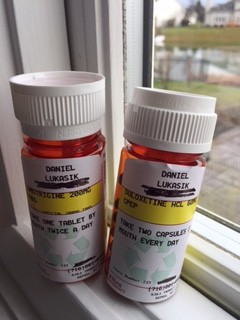
He suggested I stay with my two old friends: Cymbalta and Lamictal. But, he said that we could “tweak” my treatment by adding

SHUTDOWN: WHY PEOPLE WITH DEPRESSION FEEL SO NEGATIVE

Depression is a state of shutdown in which an individual’s psychological system shifts toward negative feeling states and diminishes the positive feeling states. The hallmark features of a depressive episode is a high negative mood state (characterized primarily in terms of depressed/demoralized/defeated/despairing feelings and secondarily in terms of anxiety, irritability/defensive hostility, and guilt/shame) and a diminished positive mood state (loss of interest, pleasure, energy, desire, and excitement).

Why do people get depressed? The primary reason people enter depressive shutdowns because they cannot obtain the necessary psychological nourishment needed to energize their behavioral investment system. Think of it as being akin to a state of starvation, only instead of physiological nutrition, the individual is lacking psychological nutrition. What is psychological nutrition? The fundamental principle that underlies psychological organization is that of behavioral investment. The psychological system is organized to direct mental energy and action toward investments that offer a return on those expenditures. When one is a getting a good return on one’s investments, then one feels fulfilled, energized and engaged. However, when one is not getting a good return, one begins to feel frustrated, anxious, irritable, or disappointed. If one cannot find an effective pathway for getting one’s needs met, one begins to enter into a state of psychological shutdown called depression.

So what are the core psychological needs that people have that need to be nourished? There are many different possible classification systems of needs (and motives and goals that people seek fulfillment around, see, e.g., here). I offer five categories here that overlap loosely with Maslow’s classic hierarchy of needs.

Safety and Security Needs. First and foremost, the psychological investment system is concerned with basic safety and survival. If one’s physical safety is chronically threatened, if one is in constant pain, if one is chronically hungry, and so forth, the attention of the system will largely be focused here.

The Base Pleasures. Good sex, tasty food, relaxing on a warm summer day on the beach after working hard. The “hedonic” pleasures serve as a fundamental reward and signal positive investments (at least in the short term). Good investment systems are generally characterized by meaningful effort and hard work toward a productive goal, followed by short periods of relaxing and enjoying the base pleasures.

Relational Needs. Our core psychosocial need is to be known and valued by important others. Most notably, this includes being known and valued by members of our family of origin, friends/peers, romantic partners, and community. Needs for relational value are reflective of one’s degree of social influence. And folks go about achieving social influence and relational value in different ways. For example, see here for power and achievement needs relative to belonging and intimacy needs.

Developmental Growth Needs. We can think about an individual’s psychological system as being akin to an investor’s portfolio. An investor has resources that have the potential for growth and loss. An investor with a diverse portfolio whose investments are growing in a way that is exceeding expectation is flourishing. The same is true for an individual. Each individual will have “personal projects” that are engagements they are involved in that afford opportunities for growth (hobbies, interests, creative and playful endeavors, meaningful work projects, etc.). If an individual is chronically stuck and not growing or is largely cutoff from their growth pathways, or is frequently failing to meet expectations, or is deeply investing in pathways based on extrinsic reasons that are not consistent with their underlying emotional/motivational needs (or intuitive sense of potential), then the investment system is vulnerable.

Existential/Transcendental/Virtuous Needs. Adult humans are meaning-making creatures that need to have a narrative for how their lives and personal projects make sense. As Victor Frankl notes in his timeless classic Man’s Search for Meaning, if they cannot place their suffering, personal projects, virtues and relationships in the context of a larger narrative that provides meaning, then they will be vulnerable to developing a nihilistic attitude, which is the belief that their lives or actions really don’t matter, because really nothing matters. A nihilistic narrative can undercut the emotional value that folks get from engaging in such projects, leading to existential crises or depressions.

Why do people have trouble getting their psychological needs met? Sometimes the answer is obvious. For example, consider the city of Aleppo in Syria. The people of that city have been completely brutalized and many folks there undoubtedly feel depressed. (As an interesting aside, it is worth noting that the field of psychiatry/clinical psychology is divided as to whether such individuals should be considered “clinically depressed”). In other obvious cases, folks get depressed because of chronic pain or illness, or death of a loved one or because they get addicted so substances that ruin their lives or because they are abused or isolated.

Other times the issue is much more complicated. Consider that there are many people that live in nice houses and seem to be surrounded by caring people and are achieving in their lives, yet they also get depressed. Indeed, despite the fact that we have more and more technology and more and more resources and control over our environment, we seem to be struggling more than ever with feelings of depression and anxiety. What is going on in these cases?

The short answer is that I think the modern, fast-paced society is placing many new, unusual stressors on our emotional system. And I don’t think people have been well-educated about how to appropriately process negative feelings. People have been given much more freedom to acknowledge negative feelings than in past generations (read this story to see what I mean), but there has not been good education on how to learn and grow from such feelings (see here or here). What I see in my clinic is that individuals try to avoid negative feelings, and wish everything would just be fine. They often try to act publicly like everything is fine, but they have no idea how to maturely process and learn from their negative feelings. Instead, they enter into an intra-psychic battle with their negative feelings, often working to banish them, or criticize themselves out of their feelings or try to “stay positive”. This creates a powerful “split” in their psychological systems. Namely, their feeling system is sending one signal, their internal narrator is in conflict with that signal, and they are trying to publicly present a totally different image than their inner conflict. All of this sets the stage for a “neurotic breakdown”.

In addition, I see many parents who value their kids, but who do not know how to guide their children in processing negative feelings. Instead, too many have been caught up in “self-esteem nation” and act in an overprotective way, essentially communicating both that their kids are fragile and that others are responsible for keeping you happy. Another group teaches their kids to repress and minimize their feelings. I am not blaming parents here. The modern world is complicated and psychologists and psychiatrists have generally not done a great job being clear about the nature of emotions and relational needs.

At the societal level, we need to recognize both the dramatic changes the information technological revolution has brought to our world and how many of the institutions that provided guidance for the good life are breaking down. Religious systems have lost much of their authority. The political system has broken down into a polarized way. I think our educational system is broken in the way it assesses performance and fails to teach character values. Science often seems to characterize the world as an amoral, meaningless physical system. In other words, in terms of our existential/transcendental understanding, there seems little that supports the deep-seated need that many people have for true meaning making. So, we live in a fast-paced, high-stress world in which we are overloaded with choice, we regularly observe massive amounts of inequity in power and resources, we give lip service to negative feelings but often characterize them as disease states and provide very little real education about human emotions and needs, and institutions that provided deep meaning making systems have lost their authority.

The bottom line is that depression arises, in most cases, when people do not receive the necessary psychological nourishment from their investments. This arises because of brutal environments and injury from traumas, diminished capacities to meet growth expectations, intrapsychic and interpersonal conflict with important others. Unable to find a path forward folks shutdown and, unfortunately, getting depressed in modern society likely creates more problems than it solves. So folks get trapped in neurotic depressive cycles.

There is clearly no easy fix, as depression is a massive health problem. But I do believe there is much that can be done. We need (and can achieve) a much better shared understanding of human psychological needs and nourishment. We also need a clear recognition from institutions like the World Health Organization that depression emerges as a function of psychological malnourishment, rather than being brain disease stemming from neurological malfunctions.

My ultimate vision is for the development of a holistic meaning-making system that harmonizes the natural sciences, the social sciences, and the humanities in a way that affords an understanding of our human natures such that we can have a more effective guide toward fulfillment during these rapidly changing times.

Gregg Henriques, Ph.D., author of A New Unified Theory of Psychology, directs the Combined Clinical and School Psychology Doctoral Program at James Madison University. He is a licensed clinical psychologist with expertise in depressionsuicide, and the personality disorders. He has developed a new meta-theoretical system for psychology articulated in many professional journals and is now applying that system to researching well-being, personality, and social motivation, and he and his students are working on the development of a general system of psychotherapy. Henriques received his M.A. in Clinical/Community Psychology from UNC-Charlotte and his Ph.D. in clinical psychology from the University of Vermont. He also completed several years of post-doctoral training at the University of Pennsylvania under Aaron T. Beck exploring the effectiveness of various cognitive psychotherapy interventions for suicide and psychosis. Henriques teaches courses in personality theory, personality assessment, social psychology and integrative adult psychotherapy.


The Creativity Cure for Depression: An Interview with Dr. Carrie Barron

Today’s guest is Dr. Carrie Barron, a board-certified psychiatrist/psychoanalyst on the clinical faculty of the Columbia College of Physicians and Surgeons who also has a private practice in New York City.  She has published in peer-reviewed journals, won several academic awards, and presented original works related to creativity and self-expression at national meetings of the American Psychoanalytic Association. Along with her husband, Alton Barron, M.D., a hand and shoulder surgeon, she co-authored the book, The Creativity Cure: How to Build Happiness with Your Own Two Hands.

Dan:

Why is depression such a problem in our culture?

Carrie:

I think the level of stress has gone up enormously because we have so much to do and we’re on twenty-four hours a day. So I think because of technology, which offers us so many great things, but gives us much to do. I think that’s part of it. I also think, especially for children, we’re in a striving, ambitious, be productive all the time mentality – for children and adults. We need to play, we need to hangout, we need to have spontaneous time. I think spontaneous thought does a lot for alleviating depression and anxiety.

The Neuroscience of Depression: Creating an Upward Spiral with Dr. Alex Korb

The following is an edited transcript of the podcast recorded interview with Dr. Alex Korb.  This transcript has not been reviewed and is not a word-by-word rendering of the entire interview.

Hi, I’m Dan Lukasik from lawyerswithdepression.com. Today’s guest is Dr. Alex Korb.  Dr. Korb is a neuroscientist, writer, and coach.  He’s studied the brain for over fifteen years, attending Brown University as an undergraduate and earning his Ph.D. in neuroscience from UCLA. He has over a dozen peer-reviewed journal articles on depression and is also the author of the book, The Upward Spiral: Using Neuroscience to Reverse the Course of Depression One Small Change at a Time. Interesting, he’s also coached the UCLA Women’s Ultimate Freesbie team for twelve seasons and is a three-time winner for Ultimate Coach of the Year.  His expertise extends into leadership and motivation, stress and anxiety, mindfulness, physical fitness, and even standup comedy. Welcome to the show.

How to Prevent Stress From Shrinking Your Brain


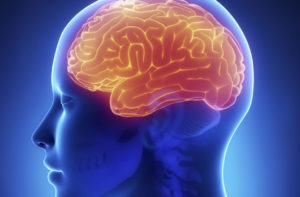
Have you ever felt so stressed out and overwhelmed that you can’t think straight? We now know that prolonged stress or trauma is associated with decreased volume in areas of the human brain responsible for regulating thoughts and feelings, enhancing self-control, and creating new memories. A new research study, published in today’s issue of Nature Medicine, is a first step in uncovering the genetic mechanism underlying these brain changes.

Depressed People’s Brains are More FragmentedIn this study, conducted by Professor Richard Dumin and colleagues from Yale University, scientists compared the genetic makeup of donated brain tissue from deceased humans with and without major depression. Only the depressed patients’ brain tissues showed activation of a particular genetic transcription factor, or “switch.” While each human cell contains more than 20,000 genes, only a tiny fraction of them are expressed at a given time. Transcription factors, when activated, act like light switches, causing genes to be turned on or off. This transcription factor, known as GATA1, switches off the activity of five genes necessary for forming synaptic connections between brain neurons. Brain neurons or nerve cells contain branches or dendrites that send and receive signals from other cells, leading to interconnected networks of emotion and cognition. The scientists hypothesized that in the depressed patients’ brains, prolonged stress exposure led to a disruption of brain systems involved in thinking and feeling. Depressed brains appeared to have more limited and fragmented information processing abilities. This finding may explain the pattern of repetitive negative thinking that depressed people exhibit. It is as if their brains get stuck in a negative groove of self-criticism and pessimism. They are unable to envision more positive outcomes or more compassionate interpretations of their actions.

Glucocorticoids Damage Brain Neurons 

The stress response involves activation of a brain region known as the amygdala, which sends a signal alerting the organism to the threat. This results in activation of the HPA (hypothalamic-pituitary-adrenal) axis and release of a cascade of hormones, including cortisol, widely regarded as the quintessential “stress hormone.” While short-term cortisol release prepares the organism to sustain “fight or flight” and fend off an attacker, long-term exposure appears to cause brain neurons to shrink and interferes with their ability to send and receive information via branches called dendrites. In animal studies, under chronically stressful conditions, glucocorticoids such as cortisol can remain elevated for long periods.

Traumatic Experiences Can Shrink the Hippocampus in Those Who Don’t Recover

This finding is another piece of the puzzle regarding how stress and prolonged distress may impair our ability to think in creative and flexible ways. Research in both mice and humans has demonstrated an association between stress exposure (foot shock in mice, life events in humans) and shrinking of the hippocampus – the brain center responsible for forming new, time-sequenced memories. Studies in women with PTSD resulting from childhood sexual abuse and Vietnam veterans with PTSD have shown 12-26 percent decreases in hippocampal volume, relative to those without PTSD. In another study, patients recovered from long-term major depression showed a 15 percent decrease in volume of the hippocampus, compared to non-depressed patients.

Major Life Stress Damages the Prefrontal Cortex

In addition to hippocampal shrinkage, major life stress may shrink brain neurons in the Prefrontal Cortex (PFC), the brain area responsible for problem-solving, adaptation to challenge, emotional processing and regulation, impulse control, and regulation of glucose and insulin metabolism. In a study of 100 healthy participants conducted by Dr. Rajita Sinha and colleagues at Yale University, and published in the journal Biological Psychiatry, those with more adverse life events had greater shrinkage of gray matter in the PFC, compared to their less-stressed peers. Recent major life events, such as a job loss, make people less emotionally aware while life traumas, such as sexual abuse, seem to go further, in damaging mood centers that regulate pleasure and reward, increasing vulnerability to addiction and decreasing the brain’s ability to bounce back.

Summary 

While the evidence is not yet conclusive, these studies suggest that prolonged exposure to stress can shrink the brain, both via the damaging effects of cortisol on brain neurons and by disrupting expression of genes that facilitate neuronal connections. This raises the question of whether there is anything we can do to prevent such damage. Since we can’t always control how much we are exposed to financial, relationship, or illness stress, are there preventive activities we can do to maintain cognitive resilience so we can continue to deal effectively with the stressors? It is not known if we can reverse the damage by these methods, but we may lessen it and make our brains more resilient to stress.

Brain-Enhancing Activities to Combat Stress

While the below list is not exhaustive, the three activities below have enhanced brain functioning in controlled studies.

Take a Daily DHA Supplement – DHA or Docosahexaenoic acid is an Omega-3 fatty acid that is a central building block of brain tissue. DHA is thought to combat the inflammatory effects of cortisol and the plaque buildup associated with vulnerability to Alzheimer’s disease. According to Dr. Mehmet Oz, in one study, a dose of 600mg of DHA taken daily for 6 months led the brain to perform as if it were three years younger.

Exercise Most Days – In studies with mice exercise led to a more improved performance on cognitive tasks than exposure to enriched environments with lots of activities and stimulation. Exercise leads to increases in BDNF or brain-derived neurotropic factor, a substance that strengthens brain cells and neuronal connections. BDNF is also thought to promote neurogenesis or the creation of new brain cells from existing stem cells in the hippocampus. Although these effects can’t be studied in living human brains, researchers have found increases in BDNF in the bloodstream of humans following workouts.

Do Yoga, Meditate, or Pray – These activities can activate what scientist Herb Benson at Massachusetts General Hospital calls “the relaxation response,” which lowers blood pressure and heart rate and lowers subjective anxiety. Benson and scientists from a genetics institute showed, in a recent study, that inducing the relaxation response can beneficially alter the expression of genes involved in inflammation, programmed cell death and how the body handles free radicals. The effects shown were in the same genes implicated in PTSD and depression. According to Jeffery Dusek, Ph.D., co-lead author of the study, “Changes in the activation of these same genes have previously been seen in conditions such as post-traumatic stress disorder; but the relaxation-response-associated changes were the opposite of stress-associated changes and were much more pronounced in the long-term practitioners.”

About the Author

Melanie Greenberg, Ph.D. is a licensed Clinical Psychologist and expert on Mindfulness and Positive Psychology.  Dr. Greenberg provides workshops and speaking engagements for organizations,  life, weight loss, or career coaching, and psychotherapy for individuals and couples. Visit her website: http://www.drmelaniegreenberg.biz

This article originally appeared in Psychology Today.


Depression: A Psychiatrist’s Recommendations for Self-care

Psychiatrist Monica Starkman, M.D. writes, “In clinical research, one uses the scientific method and studies just one treatment alone in order to assess its effectiveness. But in clinician mode, I am convinced that a combination of effective techniques increases the probability of a strongly positive result – and I don’t really care which of them did the most good. Here are five simple yet powerful treatments I recommend because they are both scientifically valid and clinically effective. Read her entire blog.

Depression: Low Mood is Just the Beginning

Psychiatrist, Ian Drever, M.D., blogs, “It’s one of those words that gets thrown around a lot, and we all think we know what it is to be depressed, but do we really? Rather than seeing depression as just a one-dimensional illness of low mood, I think it’s better viewed as a collection of features which affect both mind and body. Everyone’s precise mix will be unique to them, and will often vary from day to day — even from hour to hour.” Read the Blog

Built by Staple Creative